Mold Is Stressful, But There Are Steps
You spotted a dark patch on a wall. Or maybe there is a musty smell you cannot track down. Take a breath. It feels big, but it is a problem with clear steps.
Studiedfactory Mold Help is a referral service. We do not inspect, test or remove mold ourselves. We connect homeowners in Oakland, CA and the Oakland area with independent local providers who do that work.
Here is the short version. You call and describe what you see. Your call is routed to a provider in our network who serves your part of the area. That provider talks through your situation and can set up a visit.
Timing matters with mold, because moisture and mild temperatures help it spread. A small patch is far easier to deal with than a wide one. So if you are unsure, do not wait and hope it goes away.
Request a callback to check provider availability and ask your first questions.
Would you rather put it in writing first? You can request an estimate and a provider will follow up.
How This Works
Who we are, in plain words
Studiedfactory Mold Help is a referral service. That is all. We are not a mold company, and nobody here puts on a suit and scrubs your walls. We are the link between you and independent providers in our network.
Who does the work
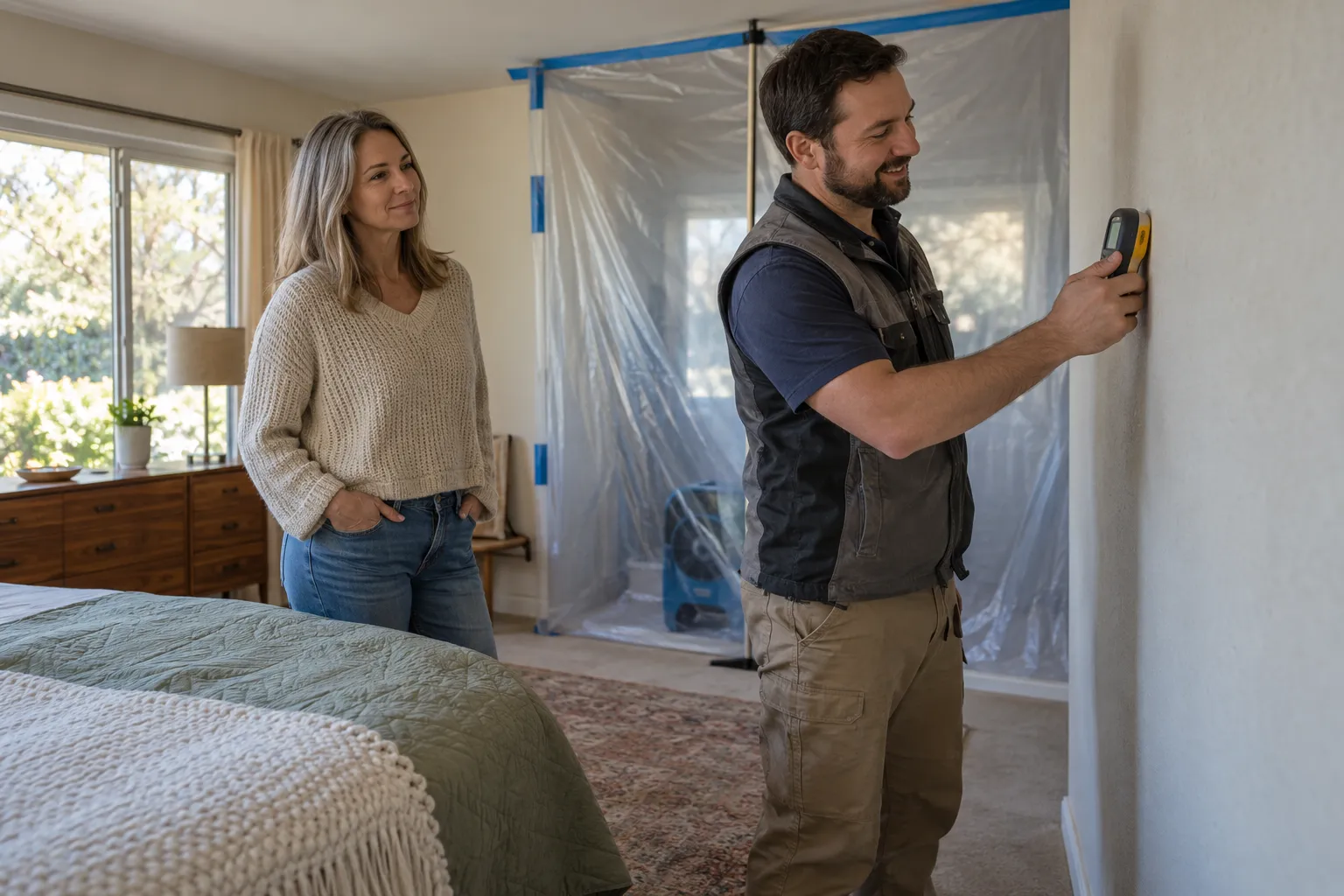
The provider does. A local provider inspects the home, takes samples when they make sense, writes up what they find, and handles the cleanup. They set their own prices, schedules and methods. You deal with them directly.
How your call is routed
When you request a callback, you describe the problem. Your call is passed to a provider in our network who covers your area. Availability varies from one provider to the next, so the first thing to ask is when they can come out.
What you are never asked to do
You are not locked into anything. You can ask questions, compare, and request a written quote before you agree to work. If the first provider is not the right fit, say so.
Why a referral at all
Most people do not know who to trust when mold shows up. Searching alone can feel like guessing. A referral gives you a starting point, a real local provider, without the guesswork.
Serving Homes Across the Oakland area
Providers in our network work in Oakland and across the Oakland area. The homes here vary a lot. You may live in a stucco ranch on a slab, a raised foundation house, or an older bungalow. Many neighborhoods are full of tract homes built from the 1950s through the 1980s.
Each of these can hide moisture in its own way. Slab homes can wick damp up from below. Raised foundations can trap humidity in crawl spaces. Older bungalows may have aging pipes, roofs and windows.
The weather plays a part too. Long dry seasons can lull you into thinking you are safe. Then a winter rain event finds a weak spot in the roof or wall. Near the coast, mild temperatures help mold grow most of the year.
If you are not sure your address is covered, just ask. Request a callback to check which provider can reach you.
Or send a request and let a provider confirm your area.
What Happens Hour By Hour, Day By Day
The first hours
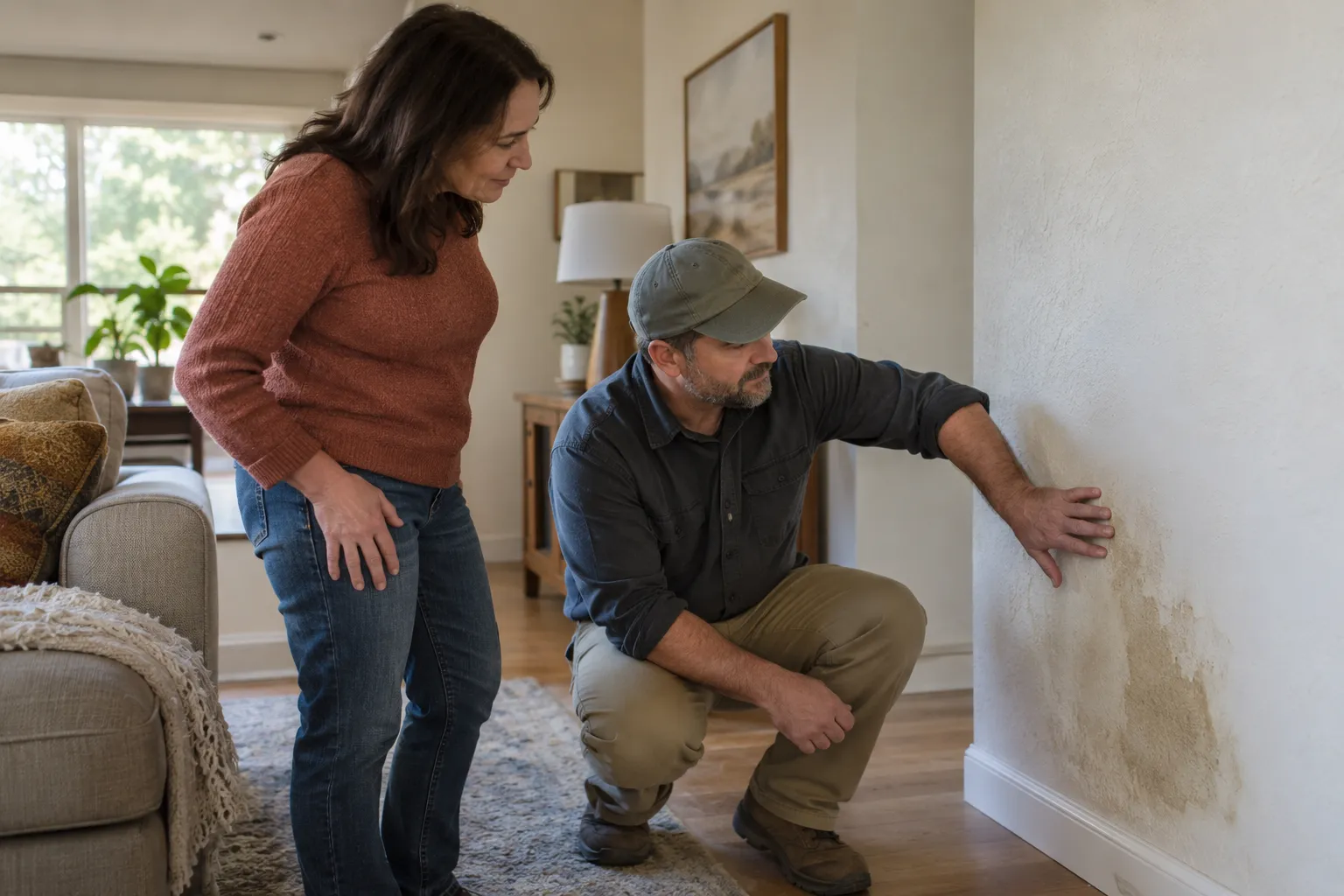
Mold needs moisture. After a leak, a spill or a rain event, damp materials start to sit and wait. Drying quickly makes the biggest difference at this stage. If a wall or floor stays wet, the risk climbs.
The first two days
Spores are already in the air in most homes. Given damp drywall, wood or carpet, they can begin to take hold within a day or two. You may not see anything yet. You might only notice a faint smell.
Day three to a week
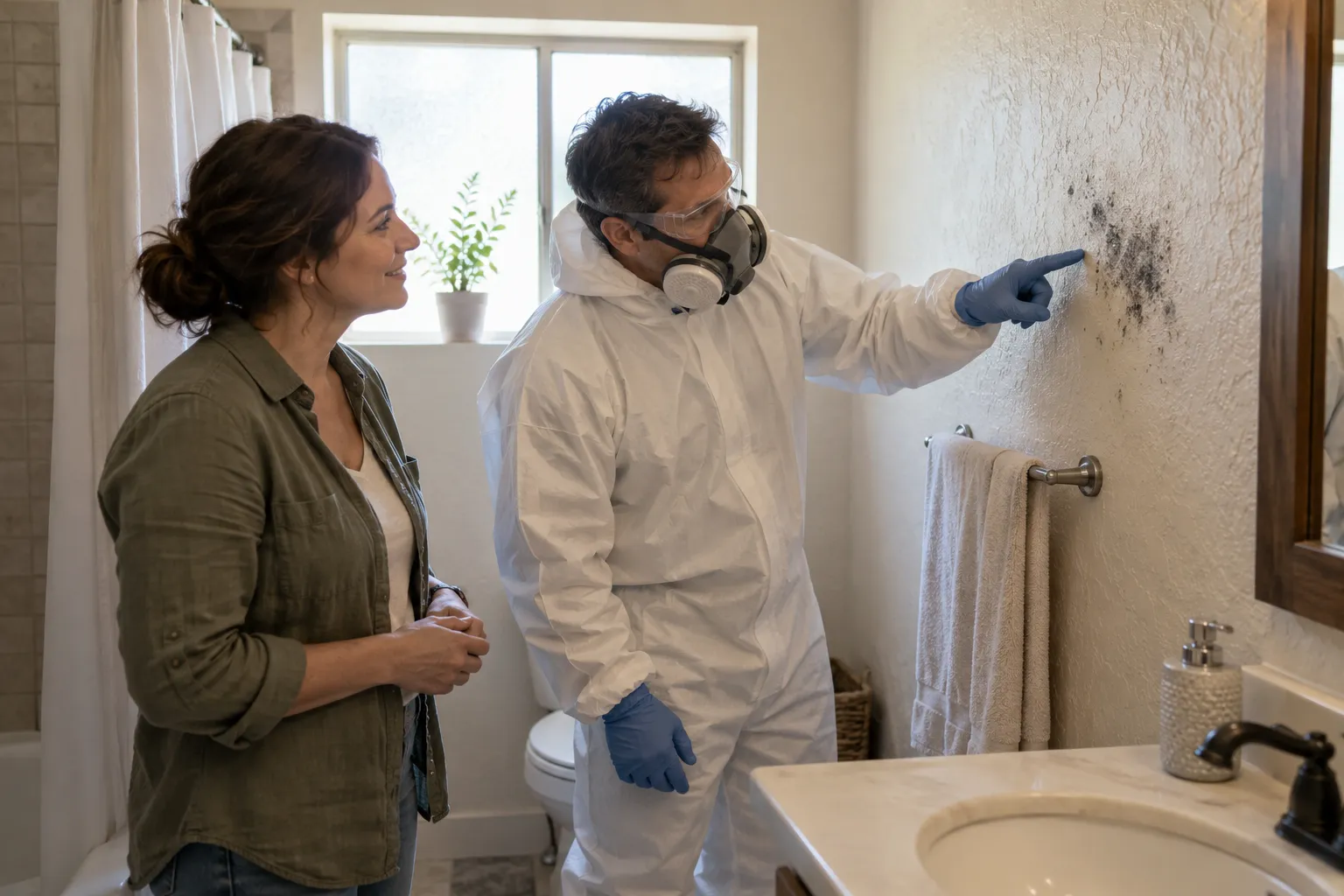
Growth often becomes visible now. Spots may look dark, green, white or fuzzy. Color alone does not tell you what kind of mold it is. Testing and a proper inspection do that better than guessing.
Weeks later
Left alone, mold can spread into insulation, subfloors and the backs of walls. Cleanup then usually involves more materials and more work. That is why acting early often keeps the job smaller.
Why our climate matters
Long dry seasons hide leaks, because nothing shows for months. Winter rain can then expose them all at once. Smoke seasons keep people indoors with windows shut, which holds in humidity.
What to do right now
Stop the water source if you can. Keep the area dry and ventilated. Do not scrub or disturb heavy growth. Take a few photos, then call a provider to talk it through.
What it may cost
In the U.S., inspections and testing often run from a few hundred dollars to about a thousand, depending on the home. Remediation can range from a few hundred dollars for a small area to several thousand or more for larger jobs. Every job differs, so ask for a written quote.
Insurance questions
Some policies may cover sudden damage, such as a burst pipe. Slow leaks are often treated differently. Check your policy, and know that providers can often help document damage for a claim.
Choosing with confidence
Ask a provider about certified mold testing credentials, what the report will include, and how they contain the work area. A good provider answers plainly. If something feels vague, ask again.
Ready To Talk It Through?
You do not need to have everything figured out before you reach out. Tell us what you see, where it is, and what happened before it showed up. That is enough to start.
Request a callback to check provider availability in your area.
If you would rather write, request an estimate. A local provider can follow up with you.